Product Description:
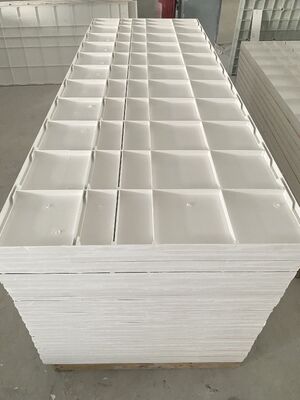
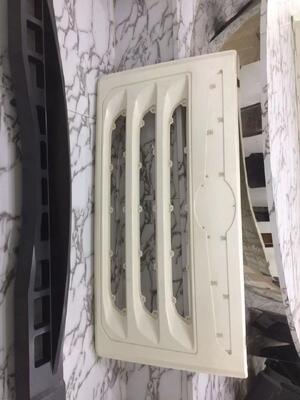
SMC and RTM technology represent advanced production methods widely utilized in manufacturing high-quality rehabilitation equipment housing and physical therapy machine shells. These technologies, which primarily employ compression molding and injection molding techniques, offer significant advantages in terms of weight reduction, cost efficiency, and quality control, making them ideal choices for producing durable and reliable rehabilitation equipment housings.
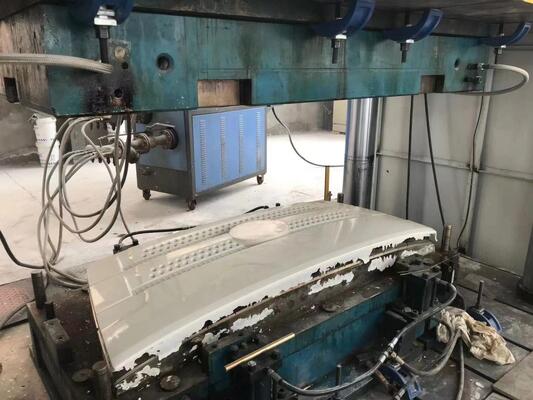
Compression molding and injection molding are the cornerstone production methods used in SMC (Sheet Molding Compound) and RTM (Resin Transfer Molding) technologies. Compression molding involves placing a pre-measured amount of material into a heated mold cavity, which is then closed to shape the material under pressure. Injection molding, on the other hand, injects molten material into a mold at high pressure, allowing for the creation of complex and precise components. Both methods are highly efficient and capable of producing consistent, high-quality parts that meet the rigorous demands of rehabilitation equipment housing and physical therapy machine shells.
One of the key benefits of utilizing SMC and RTM technologies in the production of rehabilitation equipment housing is the significant weight reduction achieved compared to traditional materials such as metals or conventional plastics. These composite materials are inherently lightweight yet possess exceptional strength and durability, ensuring that the rehabilitation equipment remains portable and user-friendly without compromising structural integrity. This weight reduction is particularly beneficial in physical therapy machine shells, where ease of handling and maneuverability are essential for both therapists and patients.
Cost efficiency is another critical advantage offered by SMC and RTM technologies. The production processes involved are designed to minimize waste and reduce tooling costs, which translates into lower overall production expenses. Compression molding and injection molding enable high-volume manufacturing with shorter cycle times, further driving down costs. Additionally, these technologies support ODM (Original Design Manufacturing) and OEM (Original Equipment Manufacturing) services, providing flexibility for manufacturers to customize rehabilitation equipment housing and physical therapy machine shells according to specific client requirements while maintaining cost-effectiveness.
Maintaining strict quality control measures is paramount in the production of rehabilitation equipment housing to ensure safety, reliability, and consistent performance. SMC and RTM technology manufacturers implement rigorous quality control protocols at every stage of the production process. From raw material selection to molding and finishing, each step is closely monitored to meet stringent industry standards. This meticulous attention to quality guarantees that every rehabilitation equipment housing and physical therapy machine shell produced not only meets but often exceeds customer expectations in terms of durability, aesthetics, and functional performance.
Furthermore, the versatility of SMC and RTM technologies allows for the integration of various design features and functionalities into rehabilitation equipment housing. These methods support the production of complex geometries and intricate surface finishes, enabling manufacturers to create ergonomic and visually appealing physical therapy machine shells that enhance user experience. The ability to incorporate customized colors, textures, and branding elements also adds value to the final product, making it more attractive in competitive markets.
In summary, SMC and RTM technology offer a comprehensive solution for the production of rehabilitation equipment housing and physical therapy machine shells by combining advanced compression molding and injection molding techniques. These technologies provide lightweight yet robust components, reduce production and tooling costs, and uphold strict quality control standards. With the added benefits of ODM and OEM services, manufacturers can deliver tailored, cost-effective, and high-performance rehabilitation equipment that meets the evolving needs of healthcare providers and patients alike.
Features:
- Product Name: SMC And RTM Technology
- Weight Reduction: Lightweight Compared To Traditional Materials, ideal for fiberglass medical housing applications
- Strength: High Strength-to-weight Ratio ensuring durability in fiberglass housing for specific device needs
- Dimensions: Various Specifications, As Customized to fit diverse design requirements
- Size: Customized Size available for tailored solutions
- Environmental Friendliness: Recyclable and low emission of Volatile Organic Compounds (VOCs), supporting sustainable manufacturing
- Material Use: Perfect for lightweight medical-grade composite structures
Technical Parameters:
| Quality Control |
Strict Quality Control Measures In Place |
| Cost Efficiency |
Lower Production Costs And Tooling Costs |
| Strength |
High Strength-to-weight Ratio |
| Dimensions |
Various Specifications, As Customized |
| Customization |
Can Be Customized To Meet Specific Requirements |
| Production Method |
Compression Molding And Injection Molding |
| Design Flexibility |
Can Be Molded Into Complex Shapes And Sizes |
| Service |
ODM OEM |
| Weight Reduction |
Lightweight Compared To Traditional Materials |
| Environmental Friendliness |
Recyclable And Low Emission Of Volatile Organic Compounds (VOCs) |
Applications:
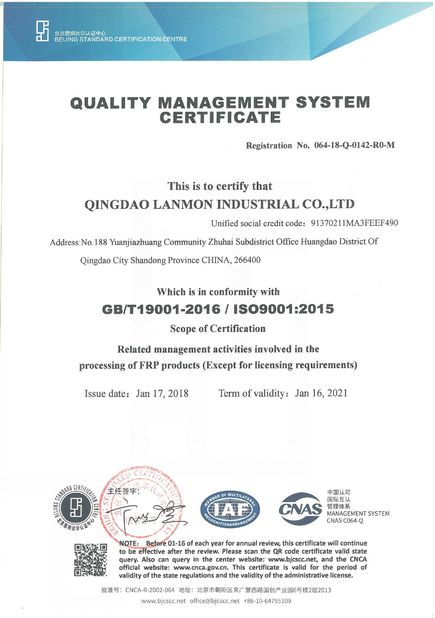
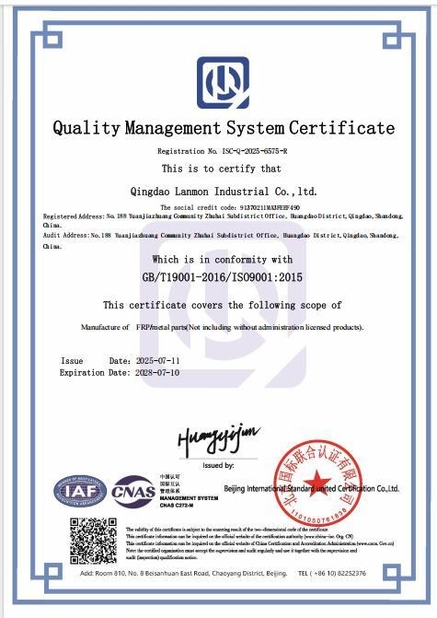
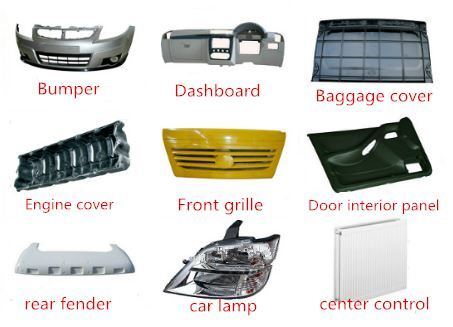
The lanmon SMC and RTM technology products are widely used in various application occasions and scenarios due to their exceptional design flexibility and superior material properties. Originating from China and backed by ISO 9001 and ISO/TS 16949 certifications, these products guarantee high quality and reliability in demanding environments. One of the most prominent uses of lanmon’s SMC and RTM materials is in the manufacturing of rehabilitation equipment housing. The ability to mold these materials into complex shapes and sizes makes them ideal for creating ergonomic, durable, and lightweight housings that enhance patient comfort and device functionality.
In the medical field, lanmon’s products are also extensively employed as medical device protective covers. The FRP enclosure for medical equipment made using SMC and RTM technology ensures robust protection against environmental factors, mechanical impacts, and chemical exposure. The gel coat paint surface not only provides an aesthetically pleasing finish but also offers excellent resistance to wear, corrosion, and contamination, which is critical in sterile medical environments.
Furthermore, the customization capability of lanmon’s SMC and RTM products allows manufacturers to tailor the size and shape of enclosures to meet specific medical equipment requirements, improving integration and usability. Their environmentally friendly nature, being recyclable and exhibiting low emission of volatile organic compounds (VOCs), aligns with global sustainability goals and reduces the ecological footprint of medical device production.
Overall, lanmon’s SMC and RTM technology products serve diverse applications in medical and rehabilitation sectors, offering unmatched design versatility, superior protection, and compliance with international quality and environmental standards. Whether it is for protective covers or specialized enclosures, these materials provide reliable solutions that enhance the safety, performance, and longevity of medical and rehabilitation equipment.


 Your message must be between 20-3,000 characters!